

How to prep your lawn before spring landscaping in Greenfield
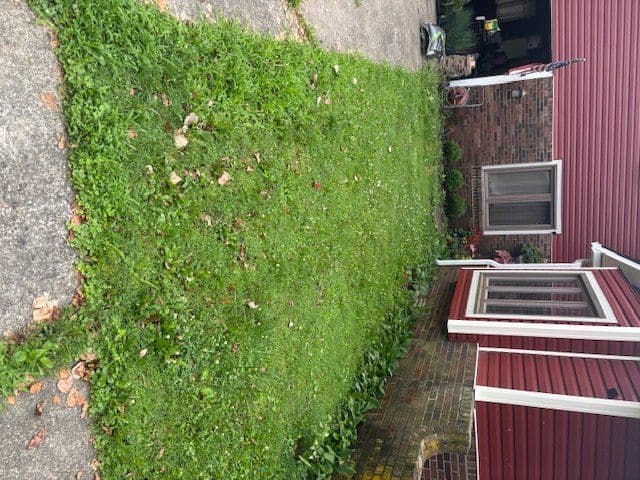
Spring landscaping in Greenfield does not start when the daffodils bloom. By the time you see green tips on your hosta crowns, the right windows for aeration, dethatching, and soil testing have already opened. Miss them, and you spend the rest of the season chasing problems that should have been fixed in March.
Here is the prep schedule we run on every full-service lawn job in Greenfield and the surrounding Hancock County yards, with the timing that actually matches central Indiana weather.
March: soil test, cleanup, and the first window
The first warm stretch in March, usually somewhere between March 8 and March 20, opens the soil enough to take a sample. We pull cores from three or four spots around the yard at 4-6 inches deep, mix them in a bucket, and send a cup off to Purdue Extension for analysis. Cost is about 15 dollars and turnaround is 7-10 days. The report tells you pH, organic matter, and the major nutrients. Without it, every amendment you buy is a guess.
While the soil sample is in the mail, we do the spring cleanup pass. Rake out leaves trapped against fence lines and in flower beds. Cut back ornamental grasses and perennials that were left standing through winter. Pick up sticks. Edge the beds where they have drifted into the lawn. This is also the right window to apply pre-emergent crabgrass control — the rule of thumb here is "forsythia bloom" but in practical Greenfield terms that's around the last week of March most years. Pre-emergent works only if it's down before the soil hits 55 degrees consistently.
What we do NOT do in March: aeration. The ground is still too wet from snowmelt and freeze-thaw cycles in Hancock County's heavy clay. Aerating wet clay compacts it worse than not aerating at all.
Early April: dethatching window
Thatch is the brown layer of dead grass and roots between the soil and your green grass. A quarter inch is fine — it insulates the crowns. Half an inch or more starts blocking water and air. Greenfield lawns, especially Kentucky bluegrass and tall fescue mixes, build thatch quickly because Hancock County clay does not drain enough to encourage deep root growth, so the grass stays surface-bound.
We dethatch in the first dry week of April, usually somewhere between April 5 and April 20. The signal is consistent: 60-degree days, soil that no longer leaves footprints when you walk it, no rain in the 48-hour forecast. A power dethatcher with steel tines on a rental from a local hardware store costs about 75 dollars for half a day; doing it yourself is realistic on yards under a quarter acre. We bring our own machine for larger jobs.
After dethatching, rake up the debris, bag it, and you should see a noticeably thinner mat of brown when you part the grass with your fingers. If you removed a serious mat, plan to overseed those areas — bare patches are now exposed.
Late April: aeration and overseed
The second week the soil truly dries out — usually mid to late April in Greenfield — is the aeration window. Core aeration pulls plugs of soil 2-3 inches deep, leaving holes that let air, water, and amendments reach the root zone. For Hancock County clay this is the single most valuable thing you can do for your lawn in a year.
We pair aeration with overseeding when the existing turf is thin. The cores hold the seed in place against runoff, and the new seed makes soil contact at the bottom of each hole. For shade-heavy yards a fine fescue blend germinates best in cool soil; for full-sun yards a turf-type tall fescue is the durable choice. Cost is 4-6 dollars a pound and a quarter-acre yard typically wants 4-6 pounds for an overseed.
Aerate, drop seed within 24 hours, water lightly every day for two weeks. Skip mowing in that window, or mow only with the deck raised.
Late April to early May: the planting window opens
By the last week of April most years, Greenfield is reliably past the last frost. Soil temperature at 4 inches is in the 55-degree range, and the ground is workable. This is when bed prep, mulching, and the bigger landscape installations actually start.
For new bed installations, this is when we strip sod, amend with compost, and plant. We avoid the temptation to start in early April when it looks nice; cold soil sets back perennials by weeks, sometimes by an entire season. Patience pays off in established plants by July that grew like crazy versus stressed plants that stalled.
Hancock County clay specifics
Compared to Hamilton County, Greenfield and the rest of Hancock County run on heavier clay with worse drainage. Three adjustments matter for spring prep here.
First, aerate every year. Hamilton clay can go two years between aerations; Hancock should not. We have customers who skipped a year and ended up with standing water on the lawn after a normal rain.
Second, top-dress with compost after aeration if you can afford it. Quarter inch of compost across the entire lawn, brushed in to the cores, adds organic matter to clay over time. Three years of doing this changes the soil noticeably.
Third, raise the mower deck. Three to three and a half inches is the right summer height for Hancock County tall fescue lawns; shorter cuts stress roots in our heat and humidity. Start the season at that height.
Putting it on a calendar
Mid March: soil sample to Purdue, spring cleanup, pre-emergent if you use it.
Early April: dethatch in the first dry, 60-degree week.
Late April: aerate, overseed, top-dress with compost if you can.
Late April to early May: bed prep, mulch, plant.
That sequence pays back through July and August when neighbors with no spring prep are watching their lawns brown out and yours holds green.
If you want us to run this prep schedule on your Greenfield, Indianapolis, or surrounding-area yard, we book spring work in February for the March-April crunch. Schedule a free walk-through through our landscape design service or our seasonal cleanup service — pricing is by yard size and we tell you up front what's worth doing this year versus what can wait.